Small Waters, Big Wonder
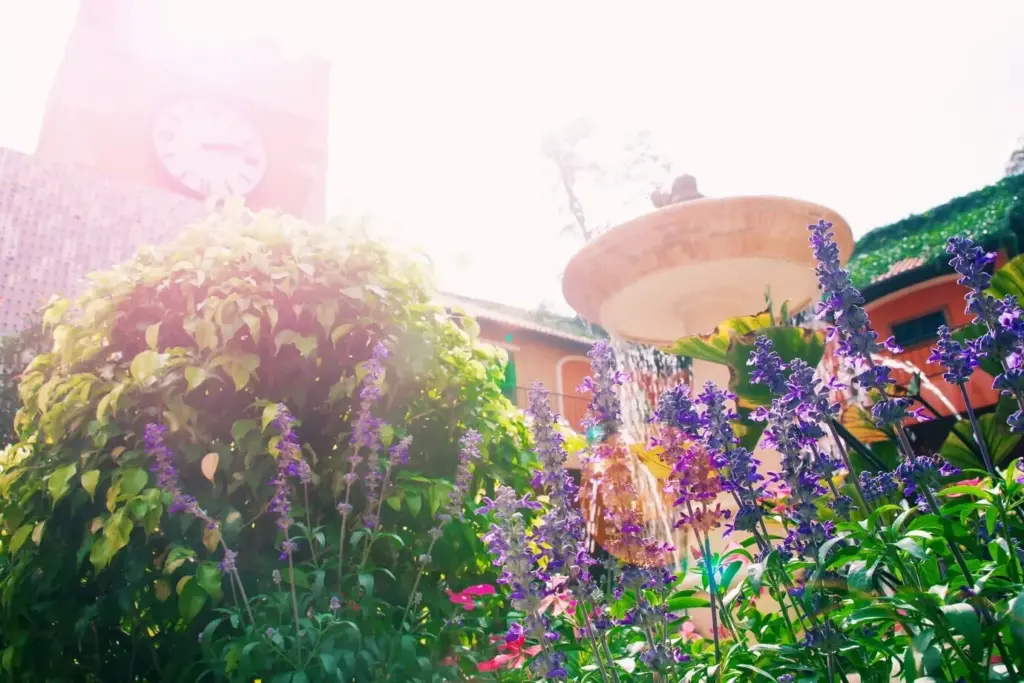
Today we dive into micro water features for pocket gardens, celebrating the way a palm-sized bowl, hidden reservoir, or trickling stone can transform tight outdoor corners. Expect practical guidance, candid stories, and design ideas you can build in an afternoon, plus safety, plant pairing, and upkeep tips. Share your questions, comment with photos of your tiny oasis, and subscribe to join a community that applauds quiet gurgles, cool reflections, and wildlife-friendly details.

Vessels That Make Water Feel Larger

In a space measured in shoes rather than meters, the container is the stage, amplifier, and safety net. Choosing the right bowl or basin shapes how water moves, how sound carries, and how wildlife arrives. We compare materials, weight, weather resilience, sealing methods, and stealthy spill-catching tricks so your little fountain delights neighbors instead of drenching them.

Sizing the Pump Right

Match roughly half to three-quarters of your vessel’s volume per hour for gentle movement, increasing for bubbler stones or spill weirs. Consider head height, tubing friction, and sponge prefilters. Adjustable dials help tune sound. Excessive flow agitates plants, wastes energy, and can pull air, causing sputters and premature wear.

Solar Panels and Shade Patterns

Solar pumps shine on balconies with strong midday sun, but intermittent clouds create rhythmic pauses that some find charming and others frustrating. Mount panels at the correct tilt, avoid shading rails, and consider a small battery bank to smooth flow. In deep shade, compact plug-in pumps remain the dependable choice.

Clear Water, Happy Visitors

Moving water discourages mosquitoes and invites birds, bees, and dragonflies to rest and refuel. Balance cleanliness with ecological kindness by avoiding harsh chemicals, managing nutrients, and designing gentle slopes. Here you’ll learn subtle strategies that keep reflections bright, wildlife welcome, and maintenance light enough to fit a busy week.

Less Buzz, More Bliss

Aeration thwarts larvae; even a modest ripple breaks surface tension they require to breathe. Use Bti mosquito dunks sparingly and only as labeled, avoid fish in tiny bowls, and refresh water weekly in still saucers. Skim leaves promptly, and conceal standing trays where summer storms might otherwise create unwanted pools.

Bird Baths Without the Mess

Provide a gradual slope with textured stones so finches and robins can perch safely. Keep water shallow, change it frequently, and rinse with a dedicated brush. Avoid soaps that damage feathers. Position near shrubs for quick cover, but maintain clear sightlines to deter prowling cats and keep photographs beautiful.

Pollinator Sips That Sparkle

Bees prefer damp edges over deep pools. Fill a saucer with stones rising above the surface, add a slow drip or wick, and keep pesticides far away. Aromatic companions like water mint or thyme invite visits, while consistent, clean moisture helps butterflies unfurl wings safely after warm summer showers.

Planting the Teacup Pond

Even hand-sized containers can host living tapestries. Choose restrained growers that won’t overwhelm the bowl, anchor roots in aquatic soil, and top with gravel to calm turbulence. Combine a miniature lily with oxygenators and a fragrant edge plant to create depth, polish reflections, and keep water clearer with less effort.

Small-Scale Plant All-Stars

Seek dwarf water lilies, pygmy arrowhead, water forget-me-not, bacopa, and miniature sweet flag for compact growth and year-round texture. Water mint perfumes breezes yet tolerates trims. Avoid invasive floaters in warm climates. Start with fewer plants than you think, then observe shade patterns before adding any additional green companions.

Soil, Baskets, and Anchors

Use heavy aquatic soil rather than fluffy potting mix that escapes into water. Plant in perforated baskets lined with burlap or mesh, topping with pea gravel to discourage digging birds. Slip a flat river stone above roots, and seat pots low to steady growth against playful ripples and swirling flow.

Styles for Tiny Sanctuaries
A Ripple Bowl That Tamed City Noise

Our reader Maya set a low ceramic bowl on a milk crate beneath ivy, added a thumb-sized pump, and sprinkled pebbles. The gentle hiss softened traffic, and sparrows arrived within days. She measured evaporation, learned a quick nightly refill routine, and now swears the ritual calms post-meeting adrenaline.

Modern Column, Hidden Basin

A drilled basalt column perches on a grate above a buried tub, sending water down polished faces and back into darkness. LED uplights sparkle without glare. Rubber isolation pads keep rumble away from apartment structure, and a simple outlet timer stretches tranquility through evening hours without constant babysitting.

Playful Pitcher-to-Pot Cascade

A vintage watering can pours into a terracotta bowl, both perched on a sturdy plant stand. Flexible tubing hides along the handle, and a discreet valve balances sparkle with splash control. The entire assembly disassembles for renters, packs neatly, and leaves only two round impressions on the balcony’s welcome mat.

Build It Today, Tend It Easily

With a short shopping list and an hour of focused tinkering, you can craft a tabletop bubbler that looks custom. Below are clear steps, plus a maintenance rhythm that protects pumps, prevents algae blooms, and keeps sound consistent. By sundown, you’ll have reflections, and a plan to keep them shining.

One-Hour Tabletop Bubbler

Gather a glazed bowl, compact pump, vinyl tubing, rubber feet, and rounded river stones. Drill a cork to guide tubing, cushion everything to hush hums, and fill just above the pump. Adjust flow until droplets kiss stones, then take a minute to position a chair where you’ll savor the glow.

Stepping-Stone Fountain with Hidden Tub

Set a sturdy tub level, place a grate, and dry-stack flat stones into a shallow rill. Drill one stone to accept tubing, shim carefully, and test for splash. Conceal edges with gravel. The result feels ancient yet packs away when moving, leaving no concrete to regret or patch later.

Care Calendar and Quick Fixes

Check water daily during heat, top off in the morning, and wipe algae with a soft cloth weekly. Rinse sponges, straighten tubing, and check plugs. Monthly, deep-clean and inspect seals. Before frost, store pumps indoors. Comment with your schedule tweaks, and subscribe for printable seasonal reminders and new build ideas.
Checkopinion
Privacy Overview

This website uses cookies so that we can provide you with the best user experience possible. Cookie information is stored in your browser and performs functions such as recognising you when you return to our website and helping our team to understand which sections of the website you find most interesting and useful.